April 30, 2025 - character development and personality tests
I wonder how well writers know their characters. What comes to them first? Their hair colour or their dilemma, their fatal flaw or the sound of their voice? I’m drawn to character driven stories as a reader and have realized over the years that I’m a character driver writer too, which means I’ve had to come to terms with myself (many times) and accept that I didn’t know my characters well enough to write my book. I’d start and stop because my characters all sounded the same or they didn’t have enough drive to propel the story. Sometimes I didn’t know what a main character would do in a scenario, and it was a rude awakening when these characters I loved were also the characters I hardly knew.
As a visual learner I find a lot of value in Pinterest boards. Since August 2021 I’ve been adding to my “book inspo” Pinterest board with all the images and colours and feelings I want my story to emit. Being able to look at what I see inside my head makes my story feel real. Despite collecting images to depict how I see my characters, I would say I feel my characters first and I find images to match my feelings about them. My main character is the colour of the ocean when the clouds are deep grey and the water is turbid. Her love interest clears her waters and opens her sky. Her antagonist forces her head above water. But you can’t write a book on just feelings alone.
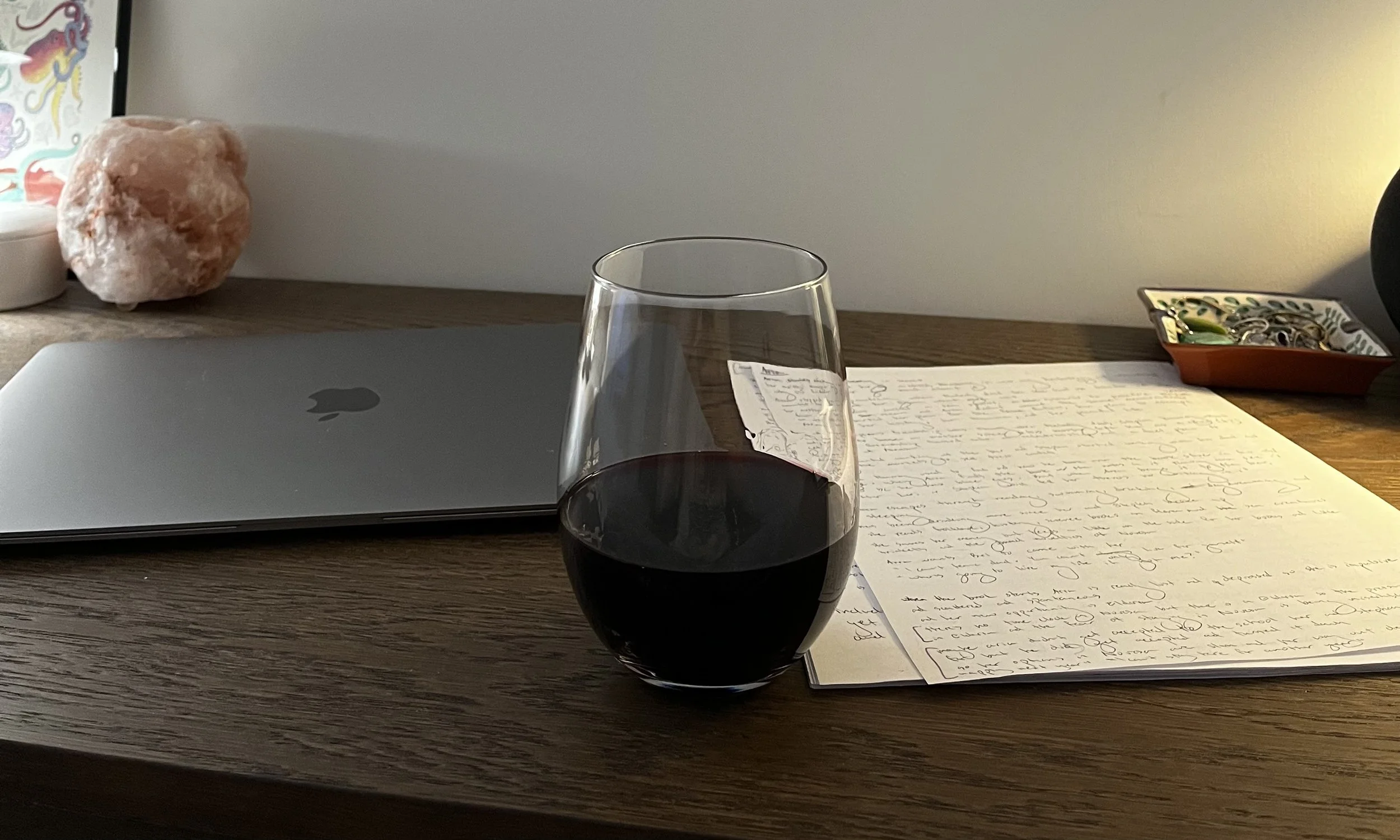
I often find that the writing advice given to SFF writers goes in the order of plotting, world building, and then characters. So when I was stuck on my characters I’d move onto world building or developing the plot, but then I’d get stuck again because my characters know the plot, not me, and the characters take me to the places of the world that need to be built. By the end of March I finally accepted that in order to make any valuable progress on my story, I’d have to know my characters better than I know myself.
There’s a podcast called Fiction Writing Made Easy where author and book coach Dani Abernathy was being interviewed, and in this interview the discussion of Enneagram Tests came up, and how this personality test can be useful to writers when developing character. I was intrigued, being a self-proclaimed personality test enthusiast (INFJ for those who are wondering). Personality tests, Zodiac signs, and tarot cards have always made people make sense to me. The assigned letters and numbers and signs put people in a combination of categories, and if I know the categories then I understand the person. The same thing happened when I did the Enneagram test for my characters.
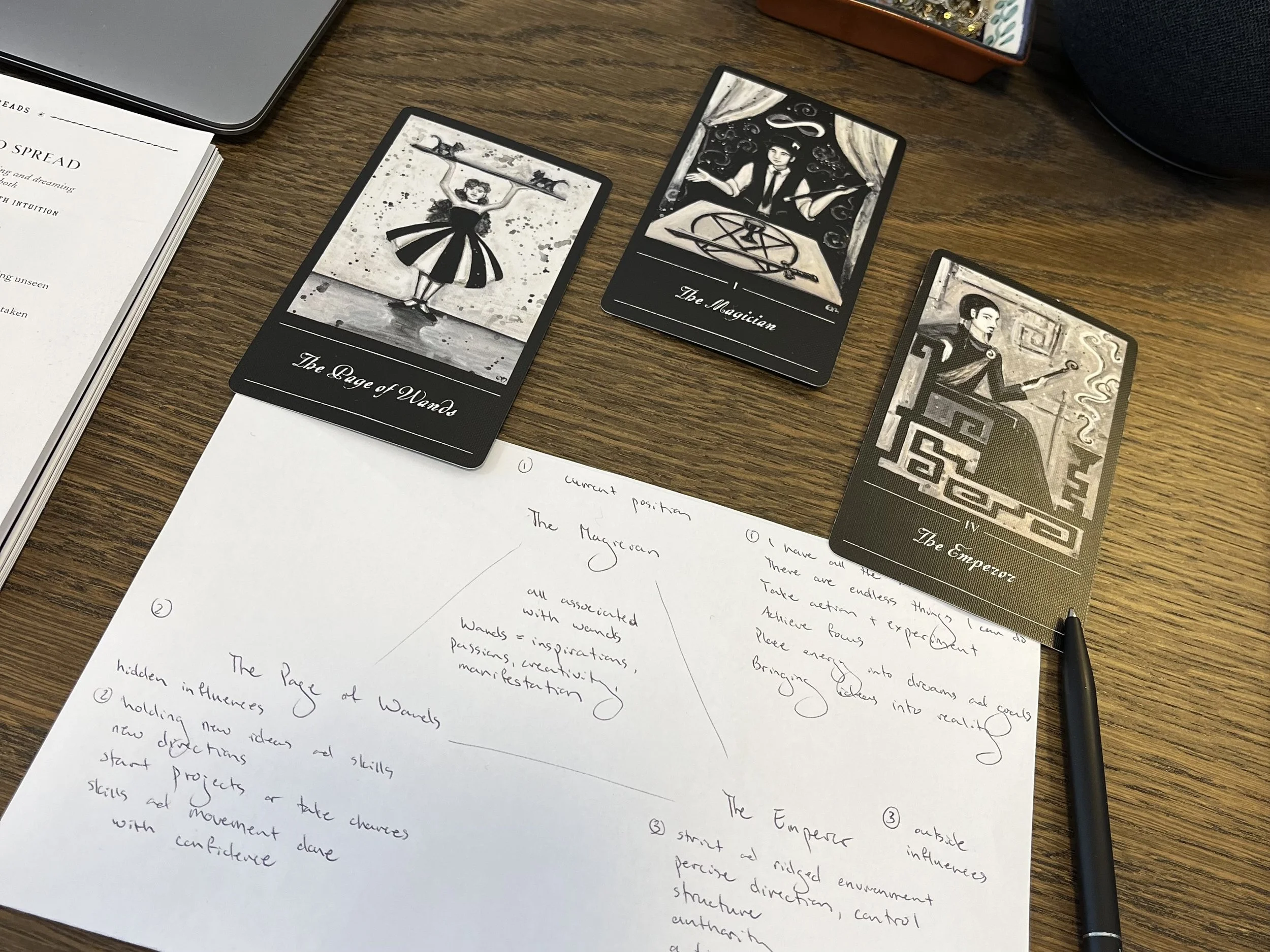
The Enneagram Test helped me see my characters as whole people, and I found it especially useful as a writer because each Type has a defined goal and fear which are both key elements in storytelling. So every night for one hour (sometimes less, sometimes more) I assigned a Type to my main characters and broke down each Type into ten different aspects: personality traits, desires, fears, coping mechanisms, core motivations, core values, healthy state, average stage, unhealthy state, and growth points.
After learning the ins and outs of each Type in a broad sense, I needed to tell myself my character’s life story. For this step I took blank pieces of paper and a pen and wrote out everything I knew about them. I didn’t refer to any of my notes because I didn’t want to be influenced by old ideas. I wanted my current self to tap into the history of my characters, and having just learned about their Type, I was able to frame my ideas into realistic goals and realistic insecurities and realistic flaws. I learned more about my characters in these writing sessions than I had in the last four years.
The final step was to re-write the ten different aspects of each Type, but make each aspect specific to the character. Instead of referring to notes that say, “Type 2’s have a need to help others,” I would re-write the notes to say, “Bri has a need to help her sister.” This allowed me to apply my character’s life history to aspects of their personality, and I was finally able to see the connection between past influences and present action.
I followed this routine every day. I was diligent and pushed past nights of exhaustion and mental fatigue. Having a step by step process really helped me on these nights because it gave me a structure to follow. On the days that I missed, I made up the hour the day after, and in the month of April I worked on my book for a total of 23.5 hours. This daily writing routine is one that I want to continue every month, knowing that some months will be better than others, but the expectation to show up at my desk was one that I was proud of. I felt like a real writer.